
Our Easy Guide to 10 Common Oven Symbols & Functions
Have you ever looked at all the symbols on your oven and wondered what they actually all do? Most of us buy an oven with the hopes that it will serve us well for years to come, which is why maintaining your oven properly is essential. What’s more, you ideally want your oven to have all the cooking functions you need – but what oven symbols mean what?
Here, we’ve put together a full guide what what the oven symbols your oven has mean:
See our complete list of oven symbols below…
Ovens cooking functions are displayed on the front panel via symbols. Understanding these oven symbols is not only important for successful cooking but also important to keep your oven in good nick. Using them incorrectly could cause your oven to trip or fuses to blow and that’s a major inconvenience, even if you have good oven insurance.
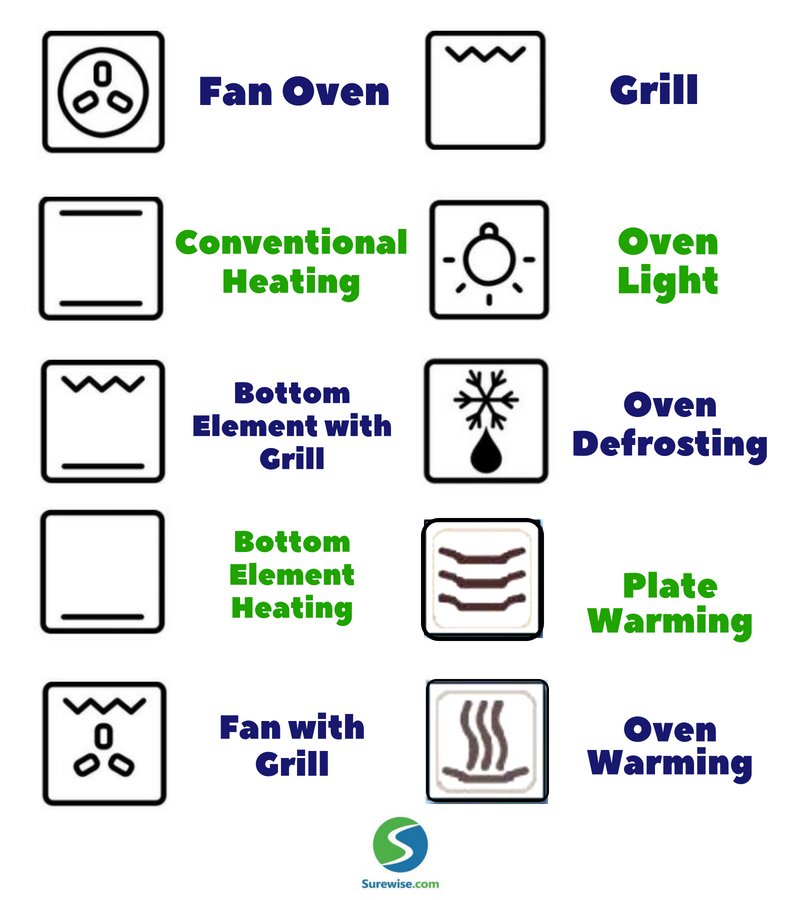
To help you understand the various oven symbols and their baking/cooking functions, here are the ten commonly used symbols.
1. 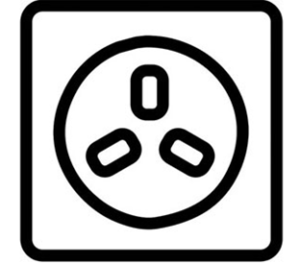 Fan oven
A fan in a circle represents an oven that uses a fan to distribute heat generated from a circular element that surrounds the fan. Ideally, the heat distribution should be even, so that it doesn’t matter where the food is placed in the oven, it cooks perfectly every time.
Fan ovens are designed to heat up faster, reduce cooking time and decrease energy consumption. Fan ovens are great for baking multiple trays at a time (biscuits, cupcakes and muffins on the top, middle and lower shelves respectively). They’re also recommended if you like your meat cooked the ‘chefy’ way, tender on the outside and rare on the inside.
If you have a combination oven and you want to use the fan, then the symbol won’t have a circle around the fan.
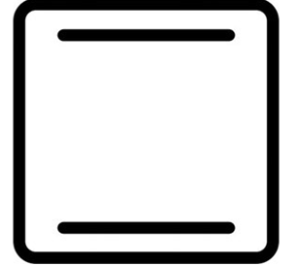 2. Conventional heating
The symbol for conventional heating is two lines, one at the top and one at the bottom of a square. The lines represent the two heating elements used, one at the top and one at bottom of the oven. Instead of a fan, the heat is diffused by natural convection. Use the conventional heating mode for roasting meat and vegetables or baking cakes.
 3. Bottom element heat
The symbol is a single line at the bottom of a square, which represents the lower heating element in use. This method is ideal for baking something that requires a crispy base such as pizza. It is also used for baking a casserole.
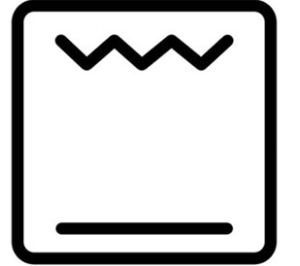 4. Bottom element heating with grill
The symbol for this function is the zigzag (grill) line at the top and a straight line at the bottom of a square. It’s a good function to use for cooking pies, quiches, and crisping pizzas.
5. Fan with grill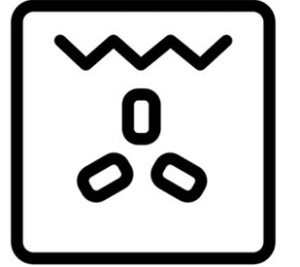
The symbol is the zigzag line at the top of a square with the fan symbol underneath. The fan distributes the heat, while the grill roasts from the top. The grill cycles on and off to maintain the temperature setting. This method is ideal for cooking meat and poultry.
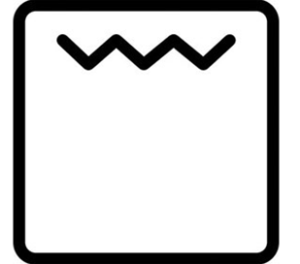 6. Grill
The symbol is simply a zigzag line at the top of a square. Using the full grill allows you to cook food for virtually your whole family plus guests. There may also be a half-grill setting, which means only the centre of the grill element gets hot. You’ll need to place food dead centre to get even cooking. Grills ate great for crisping and browning food, so use yours to make toast or toasted sandwiches, melt and brown cheese on lasagne and make delectable mushroom steaks.
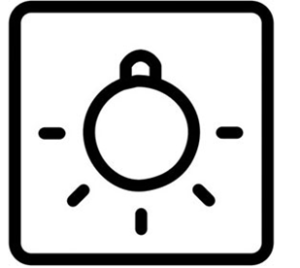 7. Oven light
Rather obviously, the symbol is a light bulb in a square. Some ovens cook with the light on automatically so you can see progress easily, but other ovens have a light switch so that you have to turn it on and off to see what’s potting.
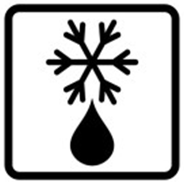 8. Oven defrosting
Not all ovens have a defrost function, but if yours does, you’ll see it on the symbol that looks like a snowflake above a drop of water. In this mode, the oven fan is switched on but no heat is generated. The air circulation defrosts the food. It’s great if you forgot to take food out to defrost overnight and you need to make a plan quickly.

9. Warming oven
The symbol is a dish with ‘steam’ lines rising above it. Use the function to keep food warm, without cooking it anymore. Food should stay moist and not dry out when using the warming function.
 10. Plate warming
The symbol for this function is three dishes lined horizontally above one another. Dinner party etiquette dictates that you must serve plates warm. This setting keeps your plates safely warm without damaging the china.
Oven Symbols Guide:
 Cleaning the oven is undoubtedly one of the most difficult aspects of keeping the kitchen looking pristine. Often it takes a great deal of physical strength to get the grease and grime off an extensively used oven. Worse still are the harmful smells of industrial-strength oven cleaners available in the market. Popular oven cleaners have highly caustic chemical such as butane and sodium hydroxide that can be hazardous to your family’s health.
 The tallest ovens around these days are double rather than single ovens and they tend to be known as either ‘built-under’ or ‘built-in’ ovens (the latter when the oven fits into a specially-built shell in the kitchen).
 The hob is often a place you prepare food every day, so it’s an essential place in your home to keep clean. The best way to ensure that the hob & cooker area is hygienic is to wipe after each use when any food residue or stains are still fresh.
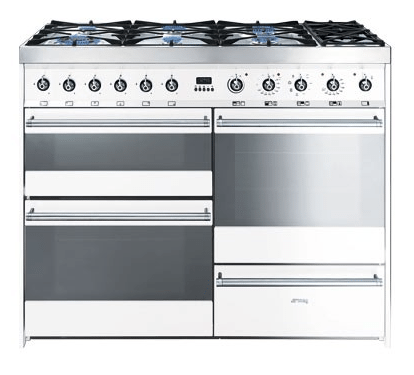 Oven capacity varies depending on the type of oven you’re considering. Single ovens tend to have a 77-litre capacity or less – while certain range cookers offer a single oven with a capacity of up to 115 litres. On the whole you can expect to get around three standard baking sheets into a 77 litre capacity oven and four standard baking sheets into a single oven range cooker. Farmhouse style double ovens on the other hand usually have a capacity of 60 litres maximum. As a result, all of the high capacity ovens listed here are single ovens or range cookers.
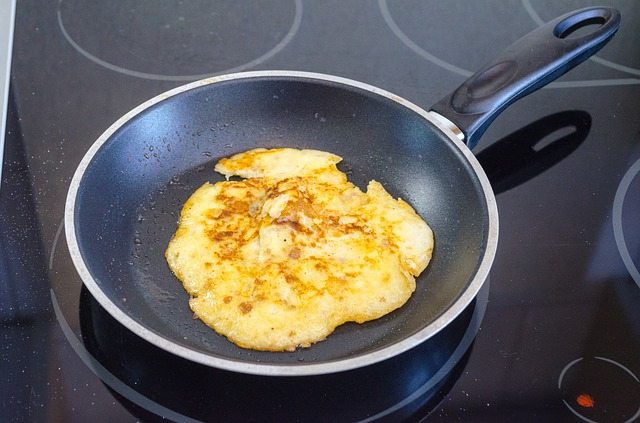 From 0 to 60 in a matter of seconds. It sounds like an advert for a car doesn’t it? But it’s actually the start-up speed for some of the fastest induction hobs on the market. There are quite a few super speedy models around.
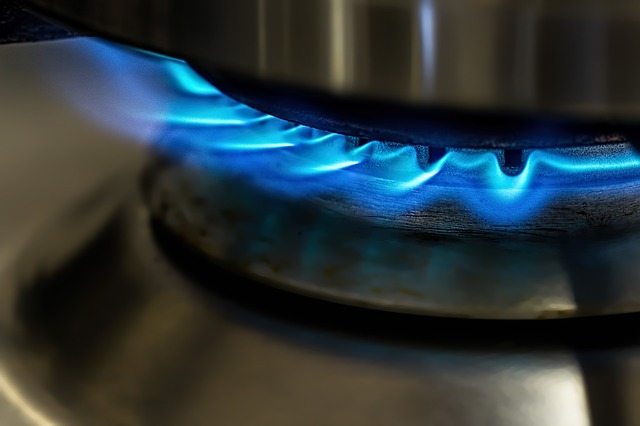 First off – what are domino hobs? Well, for those not currently in the know it’s an oblong-shaped hob which combines two methods of cooking at the same time (hence the name. i.e., a domino is oblong and split with two different numerical sections).
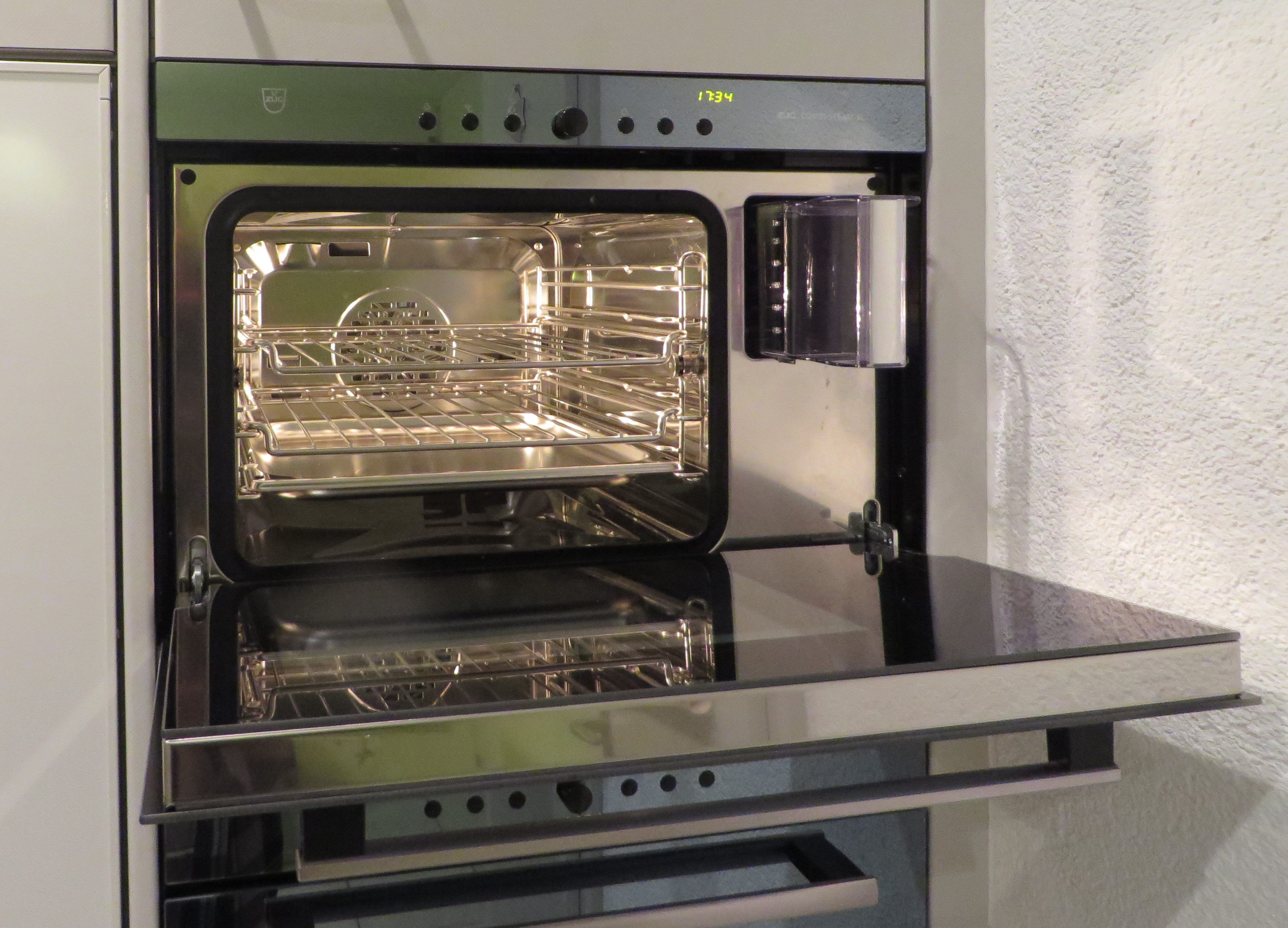 An oven that’s not heating correctly is one of the most common problems that our engineers are called to resolve. When you switch on your oven, it’s fan evenly distributes the heat generated by the element. A fault in either the fan or the element will prevent your oven from heating effectively. There could be other minor faults as well.
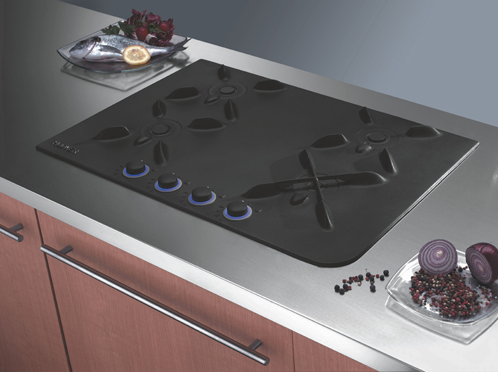 Having decided which type of hob you want to purchase, the next step is to buy the hob and have it installed. The cost of installing a new hob in your kitchen can be broken down into buying and installation costs, and running costs.
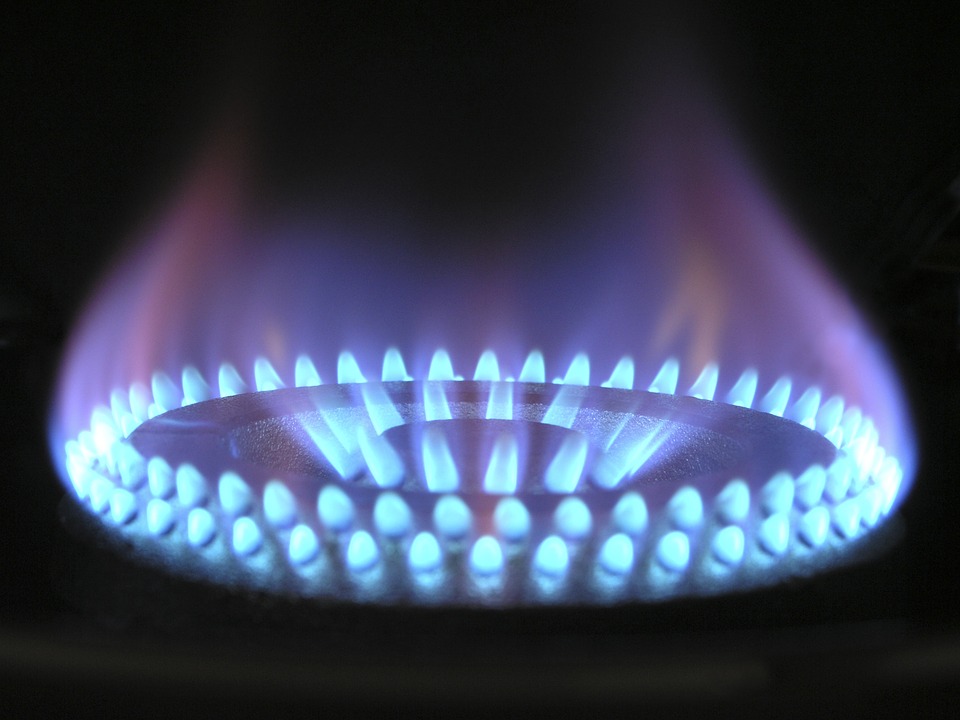 Most ovens have traditional thermostats that control the temperature of the oven. If your oven is overheating on the outside and burning food, the most probable explanation is a faulty thermostat.